Home · Services · Smoke Odor Removal
Smoke Odor Removal in Lewisville, TX
Quick answer
Removing the smoke smell that stays in walls, fabrics, and ducts after the visible damage is cleaned.
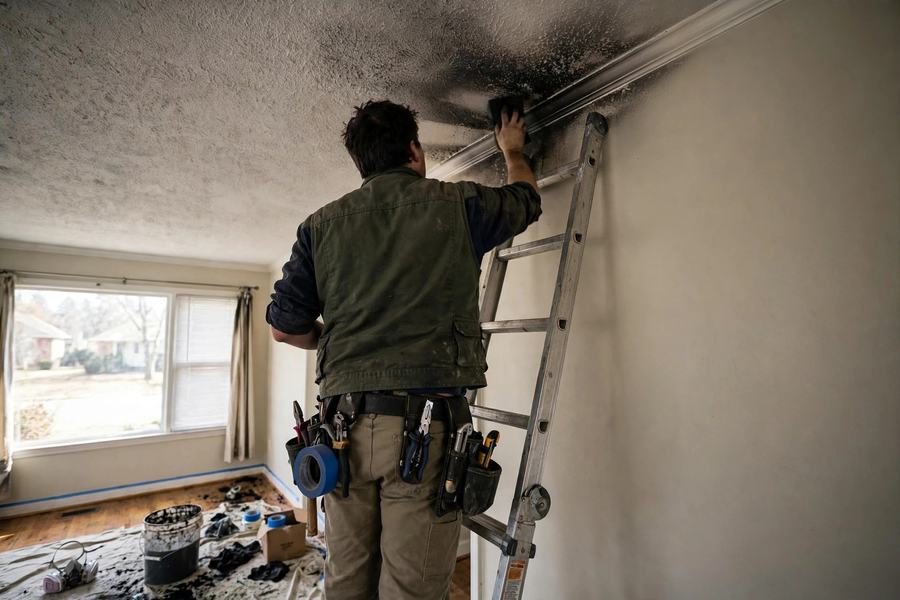
Odor removal in Lewisville fails when it is attempted as fragrance. The standing order is source removal first, soot and char out, then cleaning, then sealing or treatment of the surfaces that hold odor, with the HVAC system cleaned in the same scope. In lake-side homes the humidity off Lewisville Lake keeps porous materials holding odor longer, which argues for the full order, not the shortcut.
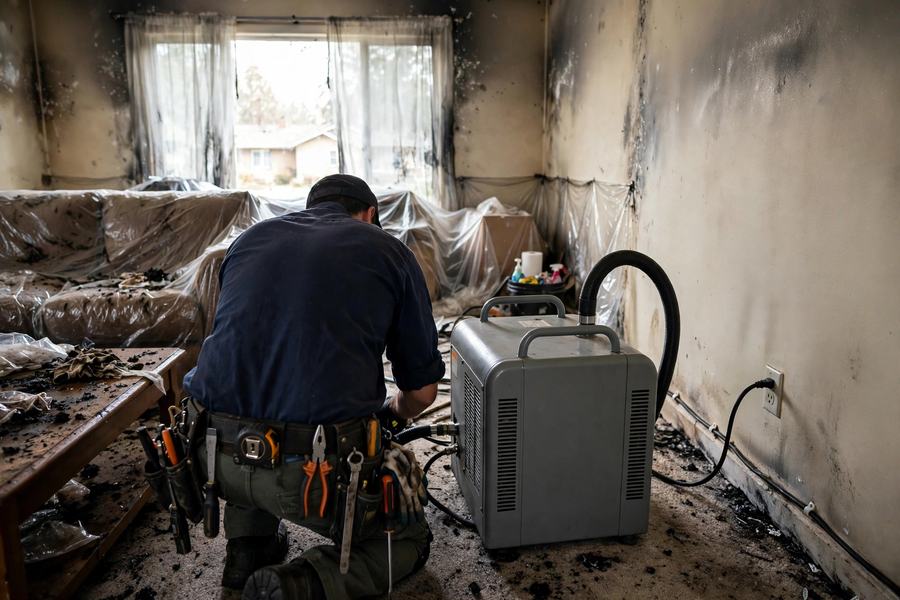
Signs you need smoke odor removal
- The smell survives open windows and ordinary cleaning
- Odor is stronger on warm days or when the heat runs
- Guests notice the smell when you no longer can
- Clothes and soft furniture smell of smoke weeks later
What the job involves
What affects the price
- Where the odor source sits: surface film versus inside wall cavities and ducts
- How much porous material (carpet, pad, upholstery, drapes) holds odor
- Whether sealing primer is needed on walls and ceilings
- Size of the home and number of rooms treated
- Whether contents need separate cleaning and storage
When it is an emergency
Odor is not an emergency, but it is the complaint that brings most fire clients back a month later, so it pays to scope it with the first assessment rather than after everything else is done. Masking sprays and scented products do not remove smoke odor; they layer over it for a few days.
PLACEHOLDERSmoke Odor Removal across the Lewisville area
Related services
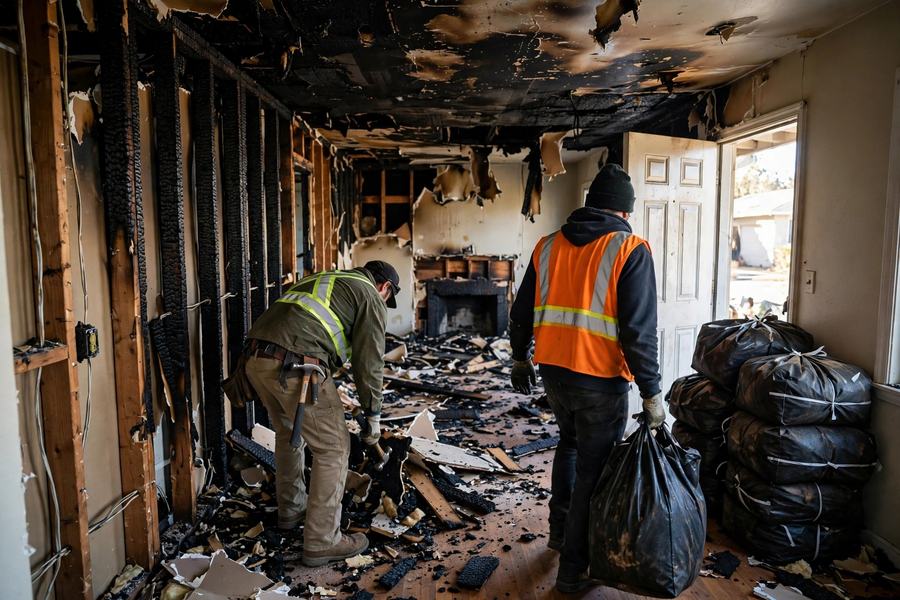
Fire Damage Restoration
Full restoration after a fire in the home: securing the property, removing what burned, cleaning smoke and soot, and rebuilding what the fire took.
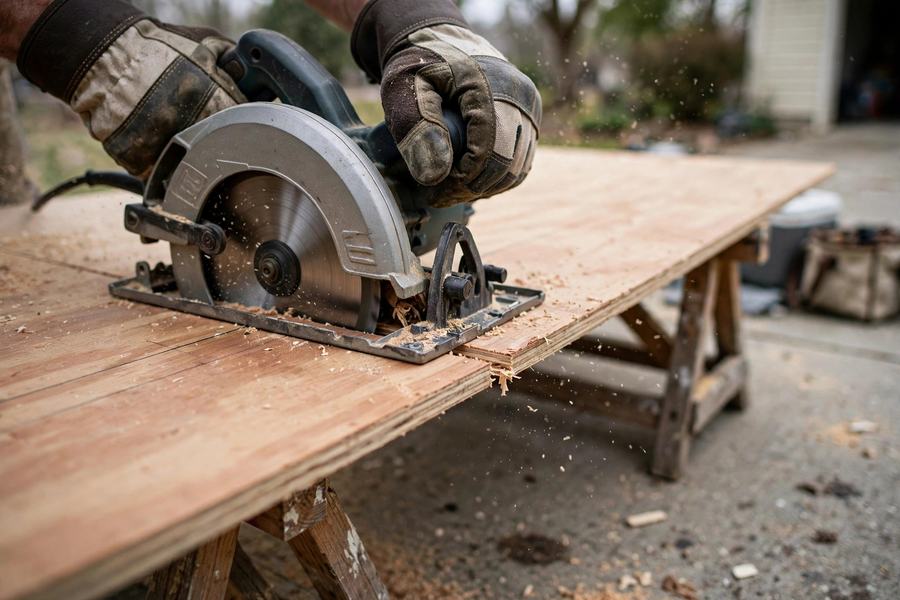
Emergency Board Up and Tarping
Securing a fire damaged home the same night: boarding broken windows and doors, and tarping roof damage so weather stays out.
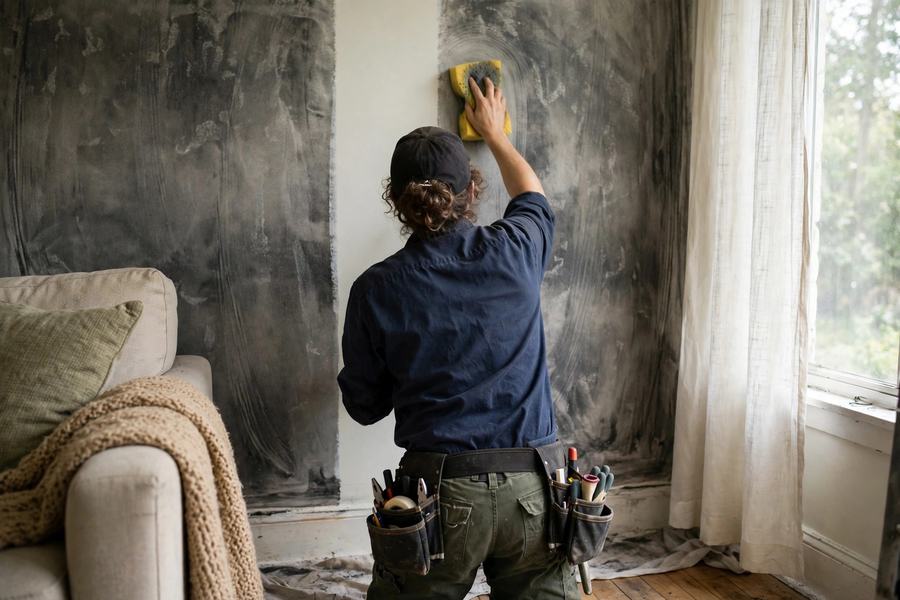
Smoke Damage Cleanup
Cleaning smoke residue and odor from walls, ceilings, and belongings, including in rooms the flames never reached.
Soot Removal
Removing soot from walls, ceilings, appliances, and fixtures before its acidity etches and permanently stains surfaces.
Smoke Odor Removal questions, answered
When is smoke odor removal an emergency?
Odor is not an emergency, but it is the complaint that brings most fire clients back a month later, so it pays to scope it with the first assessment rather than after everything else is done. Masking sprays and scented products do not remove smoke odor; they layer over it for a few days.
What affects the price of smoke odor removal in Lewisville?
The main price factors for smoke odor removal are covered in the cost section above. The contractor confirms the exact price in a written estimate after seeing the job, and nothing is owed until you approve it. The call and the referral are free.
What should I do first after a house fire in Lewisville?
Safety first, always: do not re-enter until the fire department says the structure is safe. Then, in order: call your insurer to open the claim, arrange board up for any broken windows, doors, or roof damage so the home is secure that night, and do not wipe soot, wash walls, or run the heating and air system, because all three spread the damage. Photograph everything before anything is moved or thrown away, and keep receipts for any emergency spending.
Can I stay in my home after a fire?
If the fire department or your insurer's assessment says the home is unsafe or uninhabitable, no, and loss of use coverage may pay for a hotel or rental in the meantime. For a contained fire (a kitchen fire with smoke through the house, for example) staying is sometimes possible after the assessment, but smoke residue is a respiratory irritant, the HVAC should stay off until ducts are checked, and children, older adults, and anyone with asthma should be cautious. Ask the question directly at the assessment and get the answer in the scope notes.
How long does fire restoration take?
Smoke only losses typically take one to two weeks from first cleaning to odor treatment. A fire that damages structure runs to months: one or two rooms with structural work commonly take three to six weeks of active repair, and larger structural losses can run three to nine months including permits and inspections. The variables are the scope the insurer approves, material lead times, and inspection scheduling. A contractor should give you a phase timeline in writing, not a single date promised on the phone.
Request a callback
Prefer to talk later? Leave your details and an independent local pro will call you back. No charge to you, no obligation.
Garden Ridge Fire Restoration is a free referral service. Submitting this form connects you with independent local contractors who provide the work.